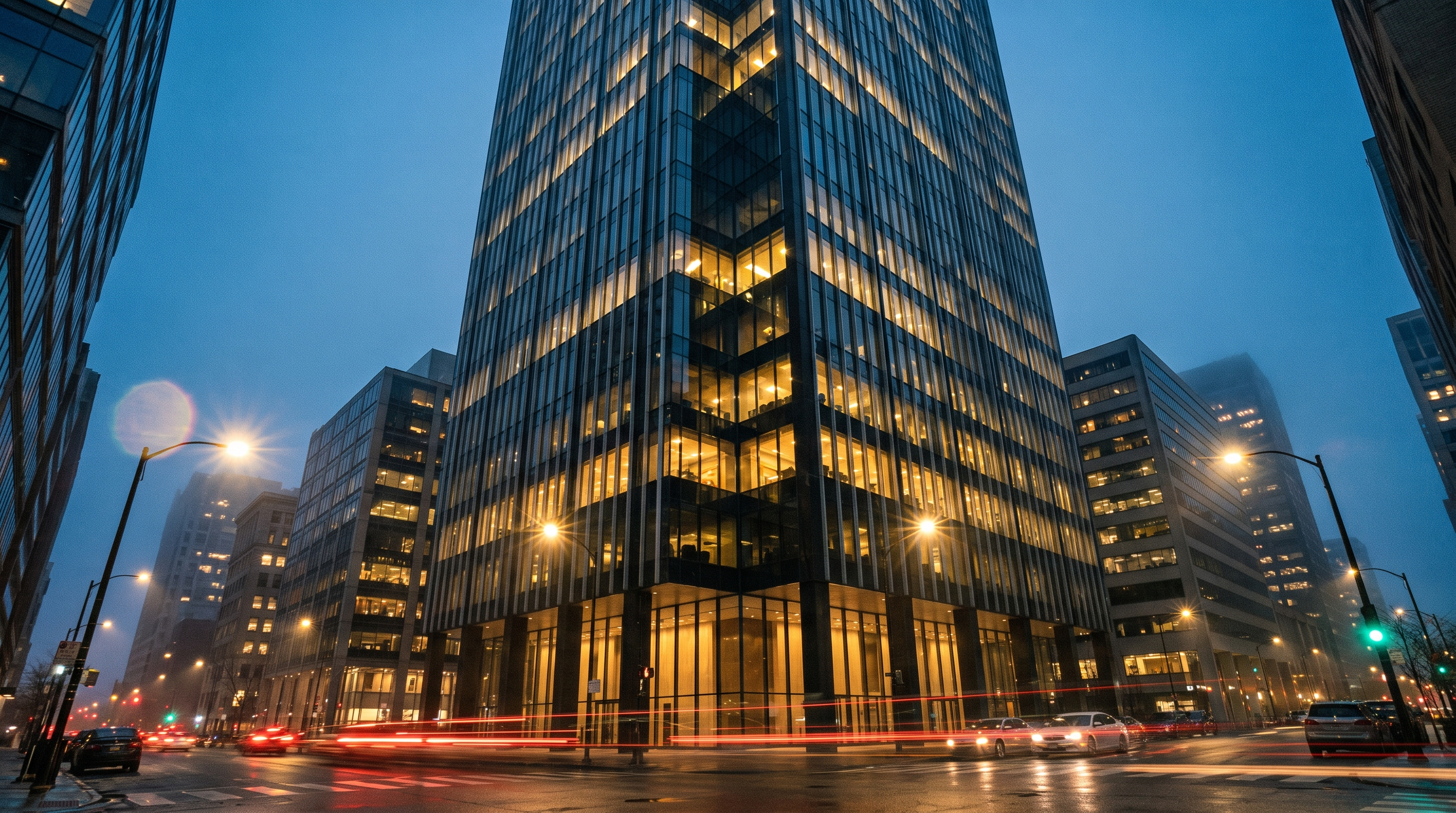
AI-enhanced images vs traditional CGI renders
Two different ways to get photorealistic property visuals — and genuinely different trade-offs between them, not just a cheaper vs more expensive choice.
What traditional CGI rendering does well
A traditional architectural visualization studio builds a full 3D model from scratch — meaning geometry, materials, and lighting are all precisely controlled. That precision is essential for DA submissions, detailed marketing collateral for a project still in design, or anywhere exact accuracy matters more than speed.
What AI-enhanced imagery does well
Starting from an existing render or real photo, AI-assisted enhancement adds photorealistic light, texture, and atmosphere — dramatically faster and cheaper than building a scene from scratch, while still producing genuinely photographic results.
The trade-offs, honestly
- Speed: AI-enhanced turnaround is typically days, not weeks
- Cost: A fraction of a full CGI studio package — see the cost breakdown
- Precision: Traditional CGI still wins where exact geometry accuracy is critical (DA submissions, technical marketing)
- People and realism: Getting AI-generated people to look genuinely photographic — not plastic — takes a specific technical approach; done properly, the results hold up under real scrutiny
For pre-sale marketing, social content, and investor decks — where speed and atmosphere matter more than millimetre-precise geometry — AI-enhanced imagery is usually the better fit. For DA submissions or highly technical documentation, traditional CGI remains the safer choice.
Let's work together.
I only take on a small number of retainer clients at a time — it guarantees your work gets priority scheduling ahead of one-off bookings, and every project the attention it deserves.